Deck Builder · Westchester County, NY
Decks built for Westchester ground.
I build outdoor living spaces across Westchester County, from the wooded estates of Bedford and Pound Ridge to the hillside lots above Peekskill and the established neighborhoods around Armonk. This is hard ground to build on. The soil is thin, the bedrock sits close to the surface, and the grades drop off fast behind a lot of these homes. A deck that ignores those facts does not last.
Most of Westchester sits on old gneiss bedrock. In practice that means you can put a shovel in the ground in Pound Ridge and hit ledge rock eighteen inches down. The frost line here runs to roughly forty-two inches. Any foundation has to get below it or the freeze-thaw cycle will lift it out of the ground over a few winters.
That is the whole reason I build the way I do. I am the Hudson Valley's premier Trex Platinum Pro Builder, a tier held by fewer than one percent of builders nationally, and the structure under the deck matters to me as much as the surface you walk on.
Why concrete fails in Westchester.
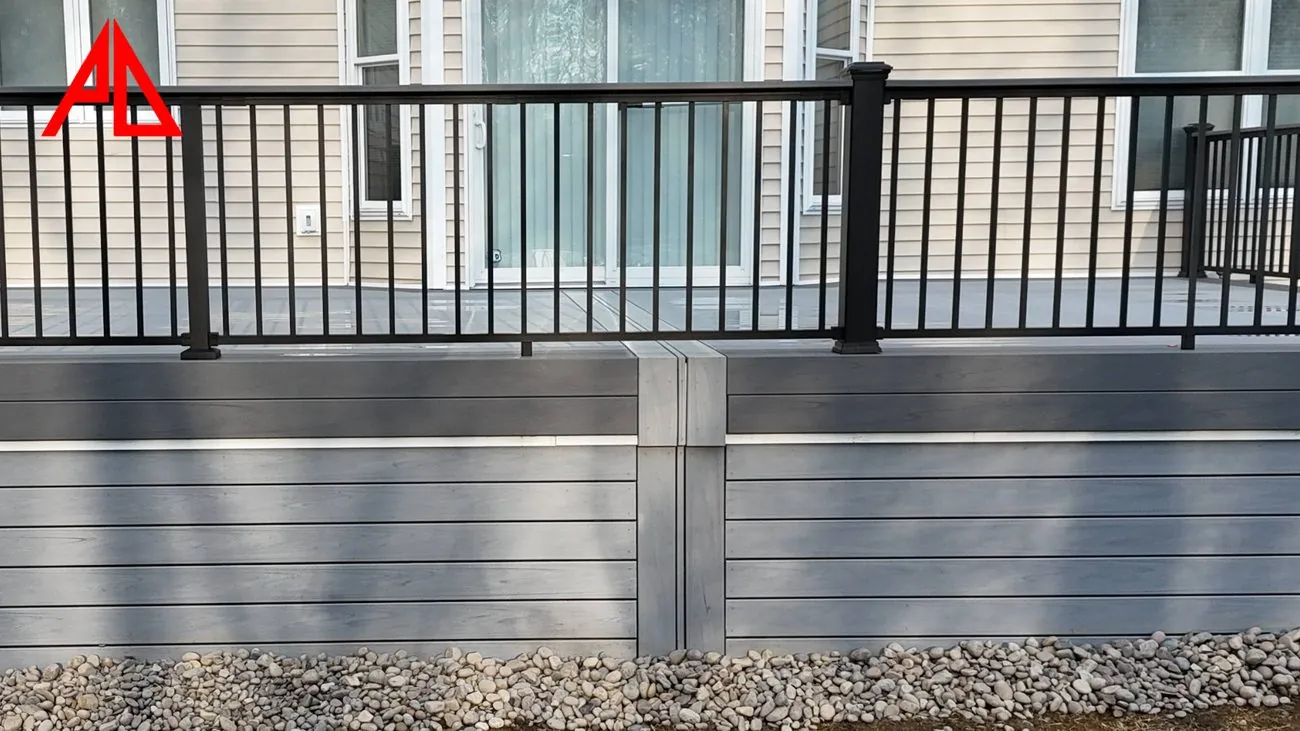
A poured concrete footing depends on one thing: clean, undisturbed soil beneath it and below the frost line. Westchester rarely gives you that. When the digger hits rock at two feet, the crew either chases it sideways into bad bearing or pours short of the frost depth and hopes. Both fail. Water collects in the thin soil over the bedrock, freezes, and heaves the footing upward. Within a few seasons you get a deck that pitches toward the house, racks at the corners, and pulls its ledger off the wall.
Helical piles solve the problem rock created. They are steel shafts with welded helices that we turn into the ground with hydraulic equipment until each pile hits a verified torque value tied to its load. On a Bedford lot with ledge close to the surface, we set the pile to bear directly on competent rock. On a deeper, looser lot we drive past the frost line into dense glacial till. The torque reading tells us the capacity in real time, so every pile is sized to the load it actually carries.
No spoils piled in your yard, no week of curing, no guessing. The deck can be framed the same day the foundation goes in.
Typical Westchester projects.
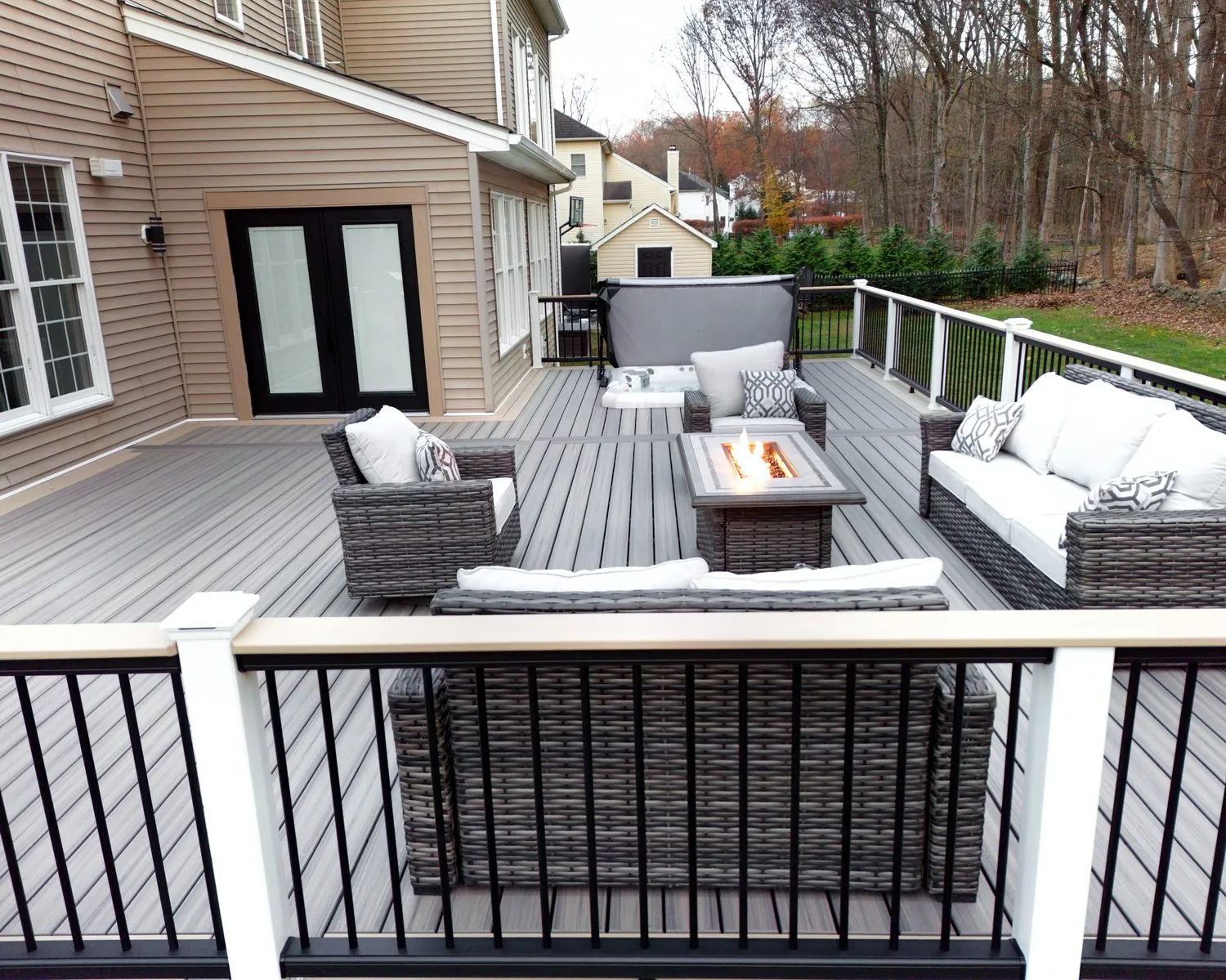
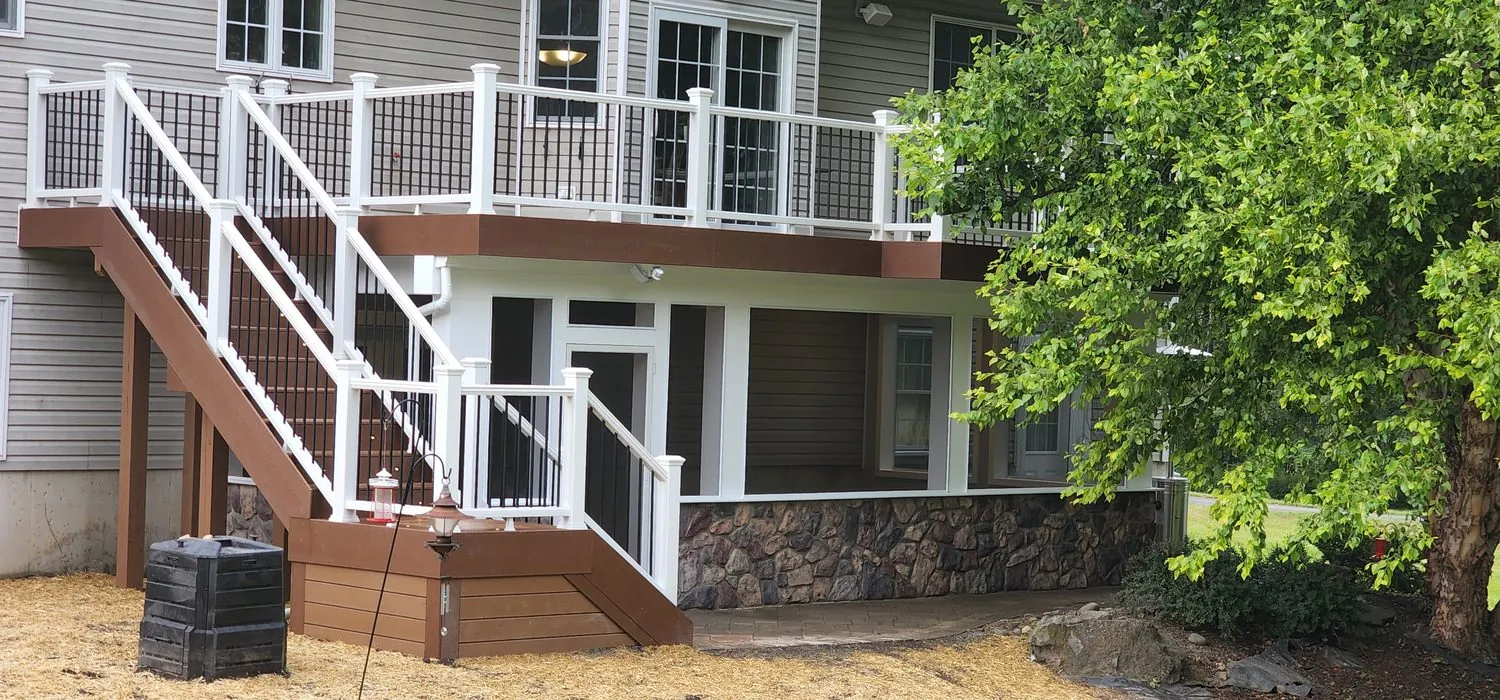
Westchester homeowners tend to want the deck to do more than hold a grill. On steep wooded lots in Pound Ridge and Bedford, I build elevated decks that reach out over the grade to capture a view that the yard itself never could. Around Armonk I do a lot of multi-level designs that step a large entertaining platform down toward a pool or a fire feature. In Peekskill and the river-facing neighborhoods, I build covered porches and under-deck living rooms that turn the space below an elevated deck into dry, usable square footage.
A lot of my Westchester work is also a teardown and rebuild. Plenty of these homes still carry a pressure-treated wood deck from the eighties or nineties that has gone soft, gray, and unsafe, often on footings that have already heaved. I pull the old structure, re-engineer the foundation on helical piles, and rebuild in composite so the new deck outlives the wood one by decades. Outdoor kitchens, spa platforms, and built-in seating get worked into the design from the start, not bolted on after, so the finished space feels like one room rather than a collection of add-ons.
Trex Signature and the full Lineage line.
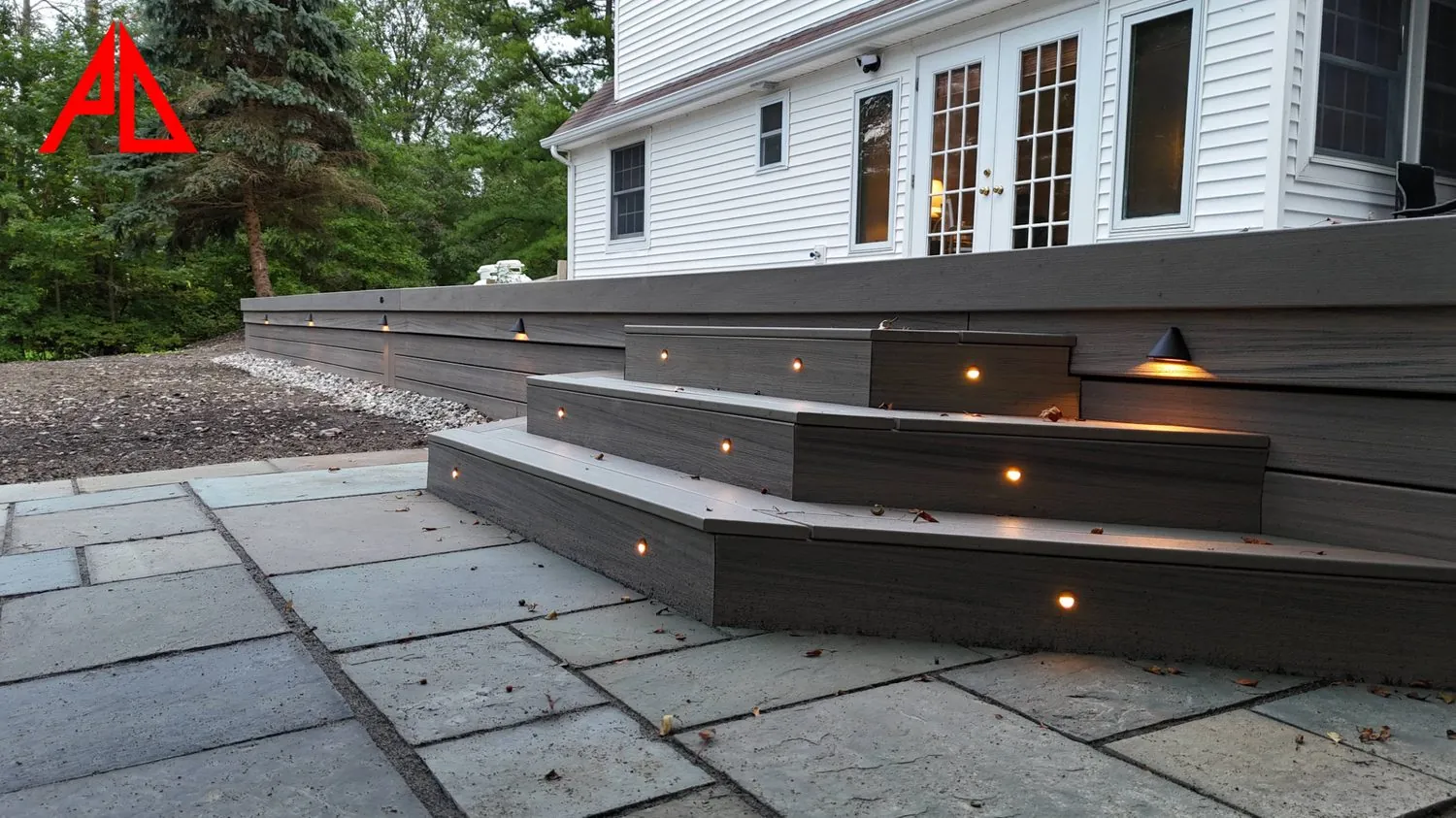
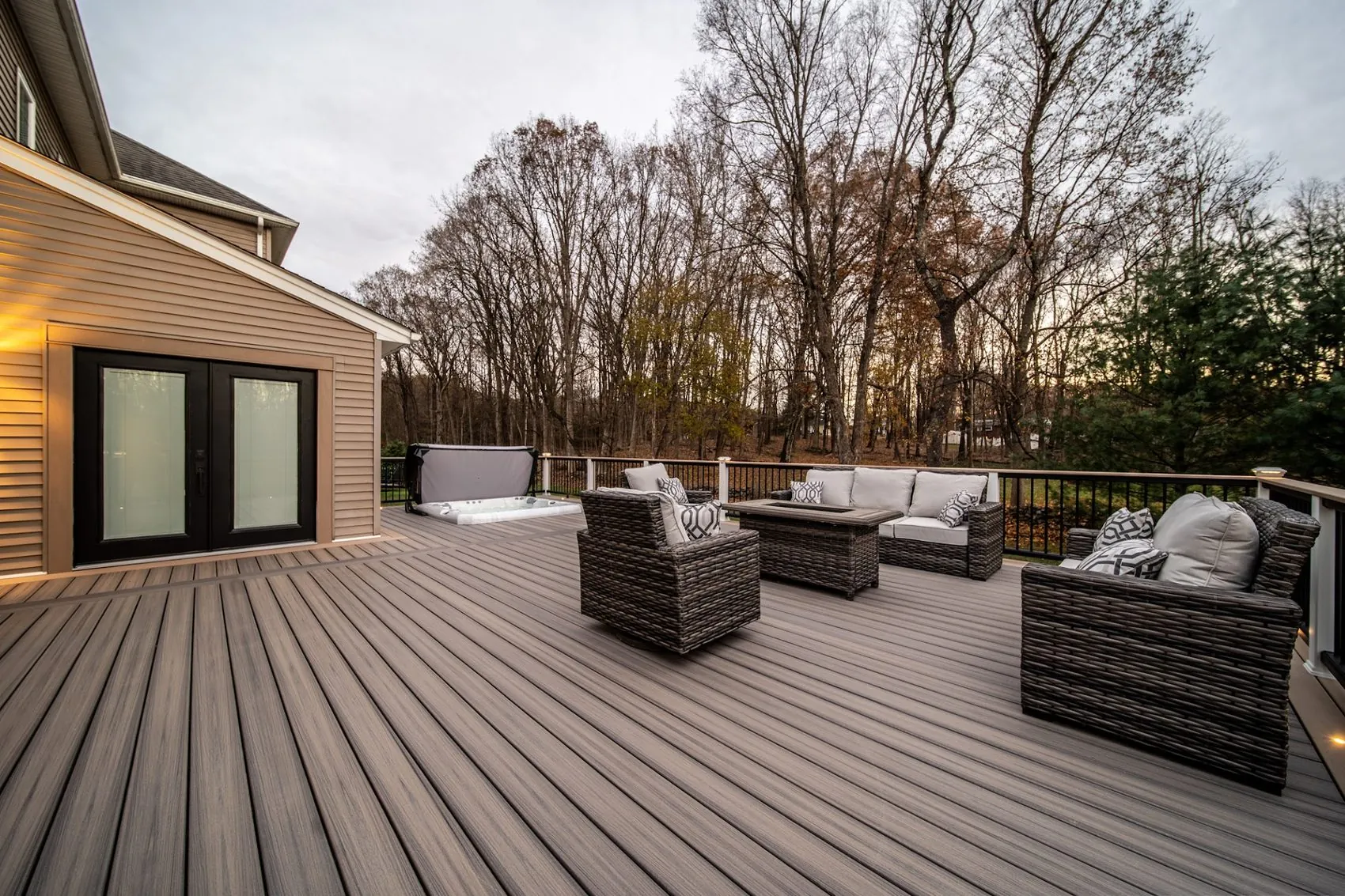
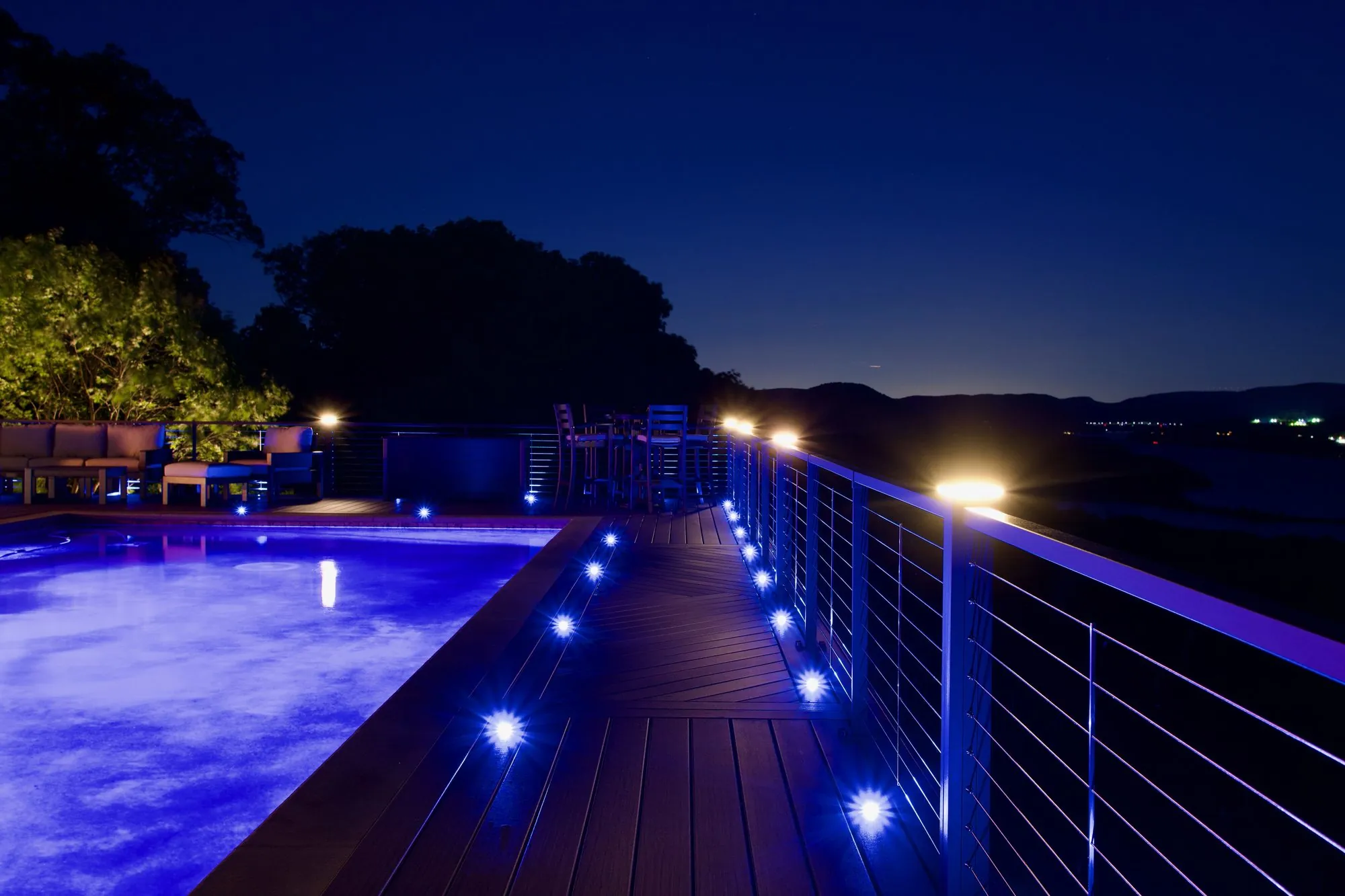
I build in Trex Signature, the top of the Trex range, and I offer the complete Trex Lineage collection. Lineage was engineered to stay cooler underfoot in direct sun, which matters on the open, south-facing decks common above the tree line in places like Armonk. Signature carries the deepest grain and the most natural color movement Trex makes, and it is the board I reach for on the estate-scale projects across Bedford and Pound Ridge.
Every project gets Trex railing systems matched to the view, and I finish almost all of them with Haven LED lighting integrated into the steps, posts, and under-rail. The lighting is wired and planned during framing, not stuck on afterward, so the deck reads clean by day and comes alive at night.
Westchester homeowners ask.
Do I need a permit to build a deck in Westchester County?
Yes. Every town in Westchester requires a building permit for a deck, and most of them require sealed structural drawings before they will issue one. Bedford, Pound Ridge, and Armonk in particular run thorough plan reviews and care a great deal about how you are anchoring to ground that is mostly rock. I handle the entire submission, including the engineering, the foundation plan, and the wetland or steep-slope reviews that come up on wooded lots. I have never had a permit denied. Engineering and permits are always part of the build, never a separate line item you get surprised by later.
Why does my old deck pull away from the house?
Almost always it is the footings. When the original builder hit rock and poured short of the forty-two-inch frost line, the footings sit in soil that freezes and heaves every winter. Over time that movement racks the frame, opens the ledger connection, and pitches the deck toward the wall. Water then gets behind the ledger and rots the rim of the house. The fix is not more lag bolts. It is a foundation that actually reaches stable bearing, which is exactly what helical piles do on Westchester's shallow rock.
Can you build a deck on a steep, wooded lot?
That is most of what I do in this county. Steep grades in Bedford and Pound Ridge are an advantage, not a problem, because elevation buys you a view. I set helical piles down the slope to a verified torque value so each one carries its real load regardless of how far it has to reach for bearing. From there I frame an elevated structure that holds dead level over falling ground, and I often convert the tall space underneath into a covered, finished room. The trees stay, the grade stays, and you gain a deck that feels like it is floating in the canopy.
How long does a Westchester deck project take?
Once the permit is in hand, most of my Westchester decks frame and finish in two to five weeks depending on size, levels, and features like lighting, fire, or an under-deck ceiling. The longer part of the calendar is usually the front end: design, engineering, and the town's plan review. Because helical piles install in a day and need no cure time, the foundation never becomes the bottleneck. I give you a real schedule at proposal, and I build to it.